
Understanding Rewinding Faults in Electric Motors
Learn it from the experts...
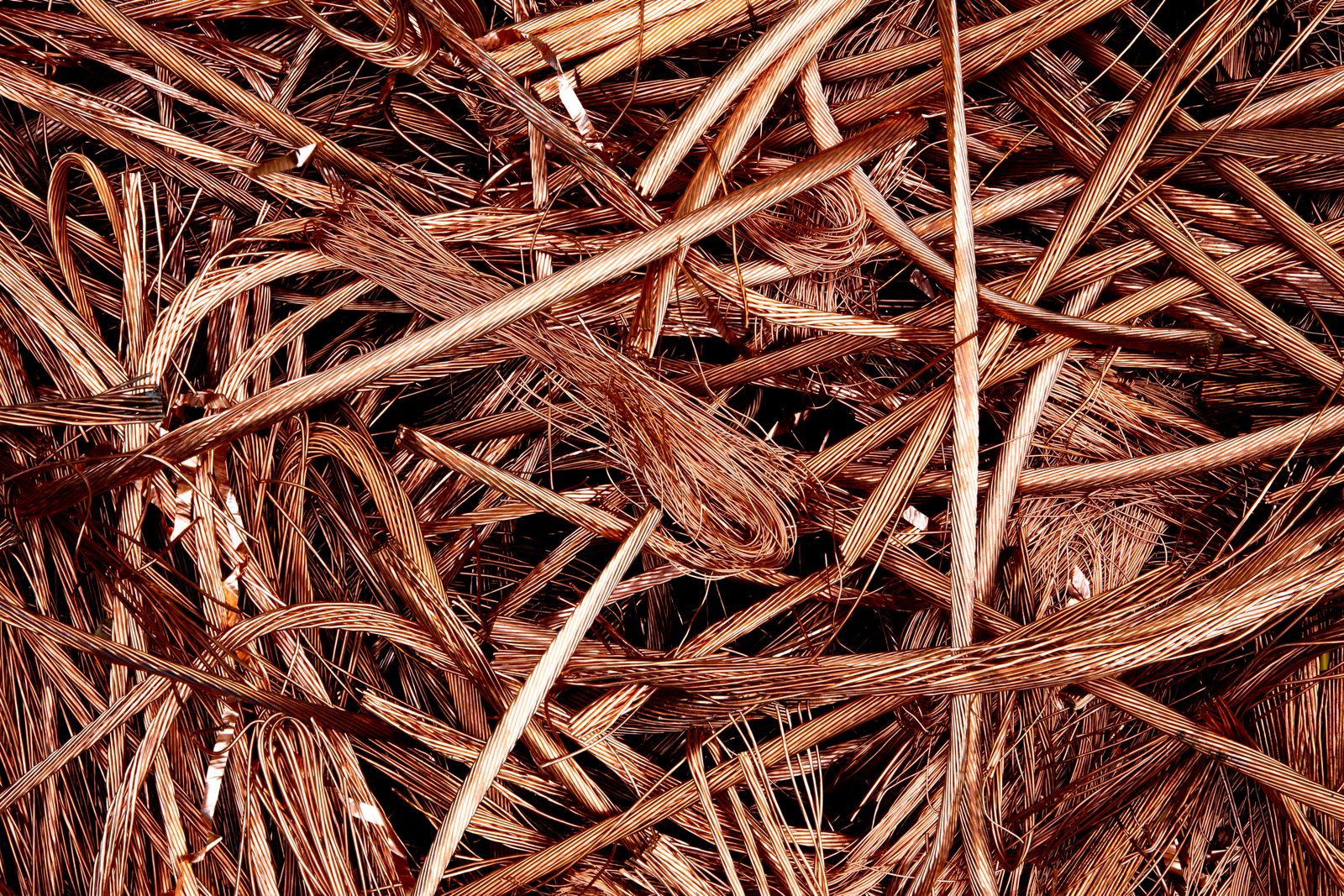
Winding is one of the fundamental components of an electric motor, and when done incorrectly it directly affects performance. Winding faults not only reduce motor efficiency but can also lead to failures and higher maintenance costs. So how can you detect and prevent these faults?
Common Causes of Winding Faults
Use of Low-Quality Materials: Winding faults are inevitable when wires or insulation materials that don't meet standards are used.
Incorrect Winding Layout: A short-circuit risk arises when proper spacing between turns isn't maintained during winding.
Insulation Problems: Defects or wear in insulation materials can cause short circuits between windings.
Miscalculation and Design Errors: Windings not designed for the correct amperage, voltage and frequency values lead to performance loss.
Signs of Winding Faults
Low Efficiency: The motor draws more energy but doesn't deliver the desired performance.
Overheating: Faults in the windings cause the motor to heat up quickly.
Vibration and Noise: Winding faults can cause unbalanced operation and abnormal vibration.
Low Output Power: The motor becomes unable to produce the required power.
Detecting and Preventing Winding Faults
You can use modern test devices to detect winding faults:
Surge Tester: Detects short circuits between windings.
Insulation Tester: Measures insulation resistance to identify weak points.
Waveform Analysis: Assesses winding quality and layout.
Solutions and Precautions
Use high-quality materials and correct winding techniques.
Have winding performed by an experienced, expert team.
Detect potential issues early with regular maintenance and testing.
Preventing winding faults in your electric motors both lowers your costs and increases your productivity. At Gür Bobinaj, we offer quality, reliable rewinding solutions in line with international standards.